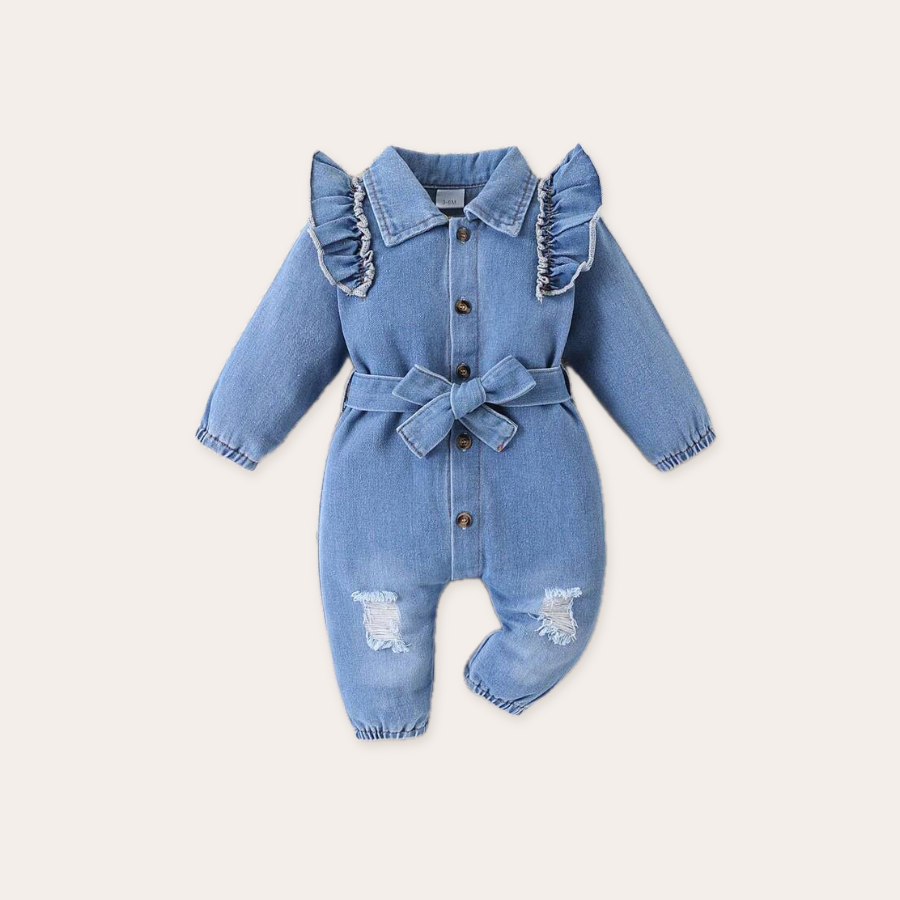
A thoughtful baby gift starts with the family’s plans, space, and preferences. Practical supplies, playthings, and larger shared gifts each call for different checks, from washable materials and complete contents to equipment compatibility and any applicable service terms.
Choose practical gifts around real routines
Think about the routine your gift will support: changing, feeding, outings, bathing, or organizing the nursery. A registry or a quick conversation with the parents can reveal what they already own and which details matter to them. Practical does not have to mean large; a carefully chosen everyday item can be a thoughtful present.
For nursery equipment such as bassinets, cribs, and travel cribs, check the parents’ preferences before choosing. Dimensions, assembly, matching components, and manufacturer instructions all matter. Monitors and sound machines also involve decisions about power, controls, connectivity, and placement, rather than a promise of better sleep.
Bottle warmers and baby carriers are similarly personal choices. A warmer needs to suit the intended containers and preparation instructions, while a carrier has its own fit and adjustment requirements. An outing bag is easier to compare by its carrying style, opening, compartments, and cleaning directions.
Build a smaller gift with useful details
A modest gift can focus on a specific task. Towels and washcloths, bibs and burp cloths, or a small set of feeding utensils provide different ways to make a coordinated present. Compare materials, dimensions, and care instructions instead of assuming every textile or utensil suits the same routine.
Blankets vary in fabric, weave, dimensions, and intended purpose. If considering a swaddling product, check its labeling and the family’s preferences; follow manufacturer instructions and qualified guidance about its use. A decorative pattern or an organic material description does not establish suitability for infant sleep.
Pacifiers and clips are also preference-dependent, so confirm the intended product and its instructions before gifting. For lotions, creams, or body wash, ask about preferred ingredients and fragrance choices. Avoid choosing scented body-care products on the assumption that every family wants them.
Consider a gift for a later stage
A present for later can be useful when a family already has newborn supplies. Cups, feeding utensils, books, and toys offer different possibilities, but check the labeled age guidance and whether the parents have space to store the item until needed.
Larger gifts such as ride-on toys, bikes, and scooters call for a conversation about readiness, storage, and the intended setting. Compare the manufacturer’s fit requirements and included components. A future-stage gift works best when the recipient knows what it is and can keep its instructions with it.
Include the parents’ preferences
Gifts that organize outings or complement existing equipment can acknowledge the parents’ daily routine. Before choosing a stroller cup holder, snack tray, or other attachment, confirm the exact stroller and the accessory combinations its manufacturer permits.
Travel equipment also depends on how the family gets around and what they can store. Compare packed dimensions, carrying weight, setup steps, and separate accessories. For loungers, rockers, bouncers, or swings, review the intended use and supervision requirements; these products are not infant sleep surfaces or substitutes for supervision.
Choose play gifts by activity and space
Books, simple toys, play mats, and activity gyms offer different kinds of play. Consider whether the family prefers a compact toy, something washable, or an item that stays assembled. Check the age labeling, included pieces, and cleaning directions before choosing.
Activity centers and larger play products need enough room for their full footprint and storage. Compare adjustment features and manufacturer requirements without assuming the product will hold a child’s attention for a particular time or produce a developmental result.
Remember the smaller supplies
Bottle drying racks, changing pads, feeding utensils, and washable cleanup supplies can be easy to overlook. A food processor may suit a family planning food preparation, while a humidifier introduces separate capacity, cleaning, and maintenance considerations. Ask which tasks the parents want equipment for before adding another appliance.
For any toy or accessory intended to attach to a car seat, check the seat manufacturer’s permission for that exact use. When assembling a gift set, list the actual contents and note any separately required parts. A coordinated box should still make it clear what each item does.
Check gift and service details
For a personalized item, confirm spelling and customization details before ordering. For any gift card or service, review the published terms for its applicable region, delivery method, redemption, and restrictions. The individual terms determine what the recipient can do with it.
Questions about gifts & services
Should I choose a registry item or assemble my own gift?
A registry can identify the family’s preferred equipment and exact versions. A separate gift can still be thoughtful when you confirm preferences, avoid duplicates, and check materials, contents, and compatibility.
What should I check before contributing to a larger group gift?
Confirm the exact item with the parents, including its dimensions, required accessories, and setup needs. Review the published purchase and gift terms before the group commits.